
A Shopping Adventure Through Okinawa’s Specialty Goods — Finding Authentic Souvenirs While Feeling the Wind on Street Kart
The blue skies of Naha, the salty sea breeze, and the sound of sanshin drifting through the streets. If you’ve come to Okinawa with your mates, just bouncing around souvenir shops on a tour bus would be a real waste. Feeling the wind on your skin while cruising through the streets in search of Okinawa’s specialty goods and local products — that kind of travel style is quietly catching on.
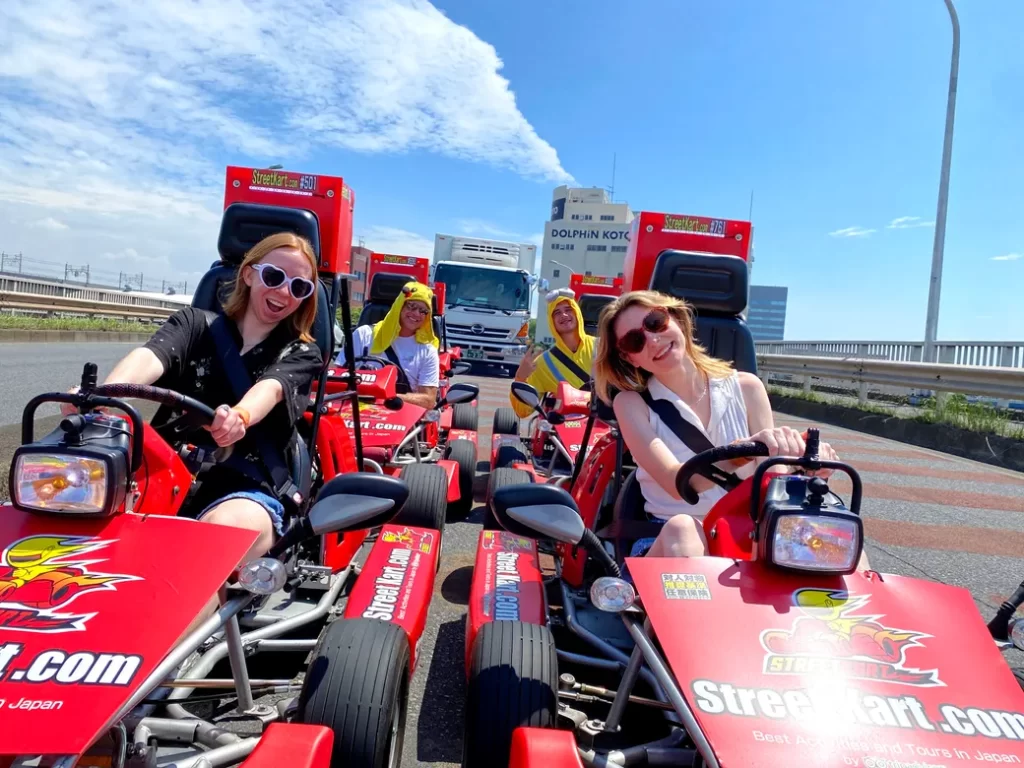
Back in Australia, we live in a car culture, and driving through nature is just part of life. But here in Japan, especially in Okinawa, you can experience something totally different: cruising through the streets in an open-air street kart. The wind hits you straight on, and at intersections, locals and tourists alike wave at you with big smiles. Honestly, you don’t get this kind of transport anywhere else. This time, with the theme of shopping for Okinawa’s specialty products, let me walk you through how to make a full day of street kart cruising.
Why Hunting for Okinawa’s Specialty Goods Is the Move Right Now
When it comes to Okinawa’s specialty goods, there’s beni-imo (purple sweet potato), brown sugar, shikuwasa citrus, sea grapes, awamori, Ryukyu glass, yachimun (pottery), bingata dyeing — the list goes on. You might catch glimpses of these at exhibitions on the mainland, but buying them locally is a totally different experience. The freshness, the variety, and above all, that “made right here” atmosphere. To really soak it in, exploring the area at your own pace is the way to go.
In Naha, you’ll find everything from long-established shops dealing in traditional crafts to modern boutiques curating items made with local materials. Hopping between shops by taxi gets pricey and inefficient, while walking limits how much ground you can cover. Renting a car can be stressful with traffic and finding parking. That’s where guided street kart tours really shine. You ride a set course, feel the wind, and breathe in the city’s atmosphere along the way.
Why Street Kart Stands Out
Street Kart is known as the first kart operator in the industry to deploy guides specifically trained for foreign drivers. That might sound like a small thing, but it actually changes the quality of your trip in a big way. When you’re riding with your mates, having a guide who can support you in English brings real peace of mind, and that becomes a huge part of what makes the experience great.
When it comes to track record, Street Kart has been loved across Japan, including Okinawa, for a long time. They’ve conducted over 150,000 tours in total, and over 1.34 million customers have experienced their service (as of November 2023). The average rating is an impressive 4.9 out of 5.0, with over 20,000 reviews accumulated. Numbers like that don’t pile up by accident — they reflect how many people felt “I want to do this again” or “I have to recommend this to my friends.”
The appeal doesn’t stop there. They own over 250 public-road karts and run 8 locations: 6 in Tokyo, plus Osaka and Okinawa. Their website supports 22 languages, so even visitors from overseas can easily handle everything from booking to the day-of flow. Guides on the ground respond in English, which makes it easy whether you’re a confident English speaker or a friend who’s just starting to pick up Japanese.
The experience itself delivers too: a course design that takes you through the city’s main spots with a guide leading the way, a closeness to the streets you can’t get on a tourist bus, an open-air feel that’s perfect for photos and videos, and the unique flavor of “only-in-Japan” experiences. From my outdoorsy point of view, it’s a similar vibe to surfing — feeling the ocean with your whole body. The wind, the sound, the temperature — it all rushes in.
One important note: Street Kart is an independent public-road kart service. We do not provide costumes. Just want to make that clear.
Areas and Shops Worth Stopping By for Okinawa’s Famous Goods
Street kart tours follow a set course. You don’t actually shop during the tour — instead, you visit the shops before or after the tour, or at a separate time. That said, the tour gives you a strong sense of the city’s geography all at once, so later you’ll find yourself thinking, “Ah, that street had that shop on it,” which makes shopping way easier afterward. That’s one of the biggest advantages of experiencing the city via street kart.
Around Kokusai-dori and Makishi Public Market — The Classic Okinawa Shopping Stretch
Naha’s main street, Kokusai-dori. This roughly 1.6km stretch is lined with shops carrying Okinawa’s specialty products. You’ll find all the classics — beni-imo tarts, chinsuko, sata andagi, salt, brown sugar sweets. Especially around Makishi Public Market, it’s a treasure trove of local ingredients. Sea grapes, mozuku seaweed, island tofu, gurukun (Okinawa’s iconic fish) — the food culture of Okinawa is condensed into one space.
If you love photography, the colorful rows of fish and vegetables at the market are scenes you can’t miss. Walking around with a GoPro hanging from your neck picks up all the lively sounds beautifully. You can capture footage with real atmosphere, so when you share it on social media, the reactions from your mates hit different.
Yachimun Street — Experience Okinawa’s Pottery Culture
A short walk from Kokusai-dori is Yachimun Street, a stone-paved road lined with pottery workshops and galleries. Yachimun pottery is known for its bold, distinctive painting and earthy texture, and somehow it makes any meal look more delicious when set on your dining table. The shisa figurines aren’t just generic souvenirs either — each one carries the personality of the artist who made it, so just choosing one becomes a fun experience in itself.
Shopping here takes a bit of time. That’s exactly why I recommend grabbing the lay of the land first via street kart, then circling back to spend quality time browsing.
Ryukyu Glass Workshops — A Piece That Captures the Okinawan Sea
Ryukyu glass looks like the blue sea and sky of Okinawa have been bottled up in solid form. From cups to plates to accessories, the range is wide, and they make great gifts for yourself or others. Some workshops let you watch the production process, and seeing a piece come to life from a craftsman’s hands totally changes how you feel about buying it. You’re not taking home a “thing” — you’re taking home a story.
Around Naha Airport and Hidden Gems Off the Main Drag
Okinawa isn’t just Kokusai-dori. There are local shopping streets the locals actually use, and small boutique shops tucked away in residential areas, all hiding solid specialty products. Bingata dyeing workshops, shops selling seasonings made with shikuwasa or island herbs — places like these are tough to find without a sense of the city’s geography. By riding a street kart tour first to map the city into your body, you sharpen your radar for these deeper finds.
How to Combine the Street Kart Experience with Okinawa Shopping
Start at Street Kart’s Okinawa location and feel the city through a guided tour. Feel the wind, breathe in the city air at intersections, and listen to the stories the guide shares about the scenery as you cruise the course. Over the 60-90 minute tour, the city’s layout and the position of major spots get etched not into your head, but into your body.
After the tour, head back to your favorite area and take your time shopping. Visit those spots that caught your eye during the tour — like, “There was an interesting shop just past that corner” — on foot. This often leads to discoveries that aren’t even in the guidebooks.
For mates who love filming, action cameras or drones (be sure to check flyable zones) are great for capturing memories. Combine the immersive footage from the street kart ride with cuts from your shopping and street walking, and you’ve got yourself a mini-movie. When I show this stuff to friends back in Australia, the response is usually “I have to go!”
Dress for Okinawa’s climate and the season. Light long sleeves work in spring and fall, sun protection is a must in summer, and even in winter, you’ll want a light jacket since you’ll be riding in the wind. Sunglasses and sunscreen are useful year-round. Non-negotiable from an Aussie standpoint.
To Enjoy Okinawa Even More Deeply
At first, you might wonder, “What’s it actually like to ride through the streets in a kart?” Honestly, I had my doubts too. But once you actually ride, the connection to the city is completely different. The height of the buildings, the direction of the sea breeze, the expressions on people’s faces, the colors of the signs — all of it floods in. Shopping for Okinawa’s specialty goods transforms from just “shopping” into “time spent getting friendly with the city.”
Take it easy, go at your own pace. Respect Okinawa’s nature and culture, and pack out your trash. The Leave No Trace mindset works the same on the streets as it does on the beach. Be considerate, and the city welcomes you back with the same energy.
You can book easily at kart.st. For driver’s license requirements, please check the driver’s license page at kart.st and confirm details on the official site. Information about services and store details is also available at the reference site kart.st.
A trip chasing Okinawa’s specialty goods and famous products while feeling the wind. Take your mates and experience the streets of Okinawa with your whole body. You’ll definitely bring home something more than just souvenirs.
A Note About Costumes
We do not rent out any costumes related to Nintendo or “Mario Kart.” We provide only costumes that respect intellectual property rights.

